
Zrozumienie zależności między galonami a litrami jest ważne w wielu praktycznych zastosowaniach, od gotowania po pomiary naukowe. Niezależnie od tego, czy podróżujesz, pracujesz z produktami międzynarodowymi, czy przeprowadzasz eksperymenty, znajomość sposobu przeliczania tych jednostek pozwala zaoszczędzić czas i uniknąć błędów.
System miary galona ma bogatą historię, a różnice wynikają z uwarunkowań geograficznych. Niniejszy przewodnik ma na celu dostarczenie jasnych informacji na temat współczynników przeliczeniowych oraz znaczenia poszczególnych wariantów galona, pomagając użytkownikom w dokonywaniu dokładnych obliczeń w różnych kontekstach.
Poprzez zgłębienie historycznego kontekstu i obowiązujących obecnie standardów, wraz z praktycznymi wskazówkami, niniejsze omówienie oferuje kompleksowe zrozumienie tego, ile litrów mieści się w galonie. Znajomość tych szczegółów zwiększa pewność siebie przy operowaniu jednostkami objętości zarówno w codziennym życiu, jak i w środowisku zawodowym.
Najważniejsze informacje
- Galon amerykański odpowiada w przybliżeniu 3,78541 litra; galon imperialny to około 4,54609 litra.
- Różne regiony stosują różne galony, co wpływa na przeliczenia objętości i pomiary na całym świecie.
- Galon amerykański jest standardem dla pomiarów amerykańskich; galon imperialny jest stosowany głównie w Wielkiej Brytanii.
- Zawsze należy zidentyfikować, który typ galona ma zastosowanie, aby zapewnić dokładne przeliczenie na litry.
- Przeliczenia są kluczowe w branżach takich jak paliwo, żywność i badania naukowe, gdzie liczy się precyzja i zgodność z przepisami.
Historia systemu miary galona
Historia systemu miary galona sięga kilku wieków wstecz, a jej korzenie tkwią w starożytnych miarach cieczy stosowanych w różnych regionach. Pierwotnie termin galon nie był znormalizowany i znacząco różnił się w zależności od miejsca i epoki. W średniowiecznej Anglii, na przykład, galon zazwyczaj oznaczał objętość opartą na ilości wina lub piwa, jaką mieściła beczka, co z czasem prowadziło do znacznych rozbieżności.
Dopiero w XIX wieku podjęto próby stworzenia bardziej spójnych standardów. Przyjęcie oficjalnych definicji pomogło zharmonizować pomiary w różnych branżach i regionach. Galon imperialny, ustanowiony przez Imperium Brytyjskie, stał się standardową jednostką handlową i podatkową w Wielkiej Brytanii oraz na jej terytoriach. Tymczasem Stany Zjednoczone opracowały własną wersję, znaną jako galon amerykański, który ma nieco mniejszą objętość. Te rozróżnienia pozostają istotne również dzisiaj, zwłaszcza w kontekstach międzynarodowych, gdzie zrozumienie tych historycznych korzeni pozwala wyjaśnić, dlaczego pomiędzy pomiarami stosowanymi w różnych krajach występują różnice.
Ta ewolucja pokazuje, jak jednostki miary są kształtowane przez regionalne praktyki, postęp technologiczny i czynniki ekonomiczne. Na przestrzeni wieków galon przekształcił się z nieformalnej miary w jednostkę sformalizowaną, odzwierciedlając zmiany w handlu i precyzji naukowej.
Szczegółowy artykuł: Understanding the Impact of Heavy R on Modern Music Production
Współczynniki przeliczeniowe między galonami a litrami
Współczynniki przeliczeniowe między galonami a litrami opierają się na konkretnych standardach międzynarodowych, które różnią się w zależności od rodzaju zastosowanego galona.
Najczęściej przywoływaną jednostką jest galon amerykański, który odpowiada w przybliżeniu 3,78541 litra. Wartość ta stanowi standardowy współczynnik przeliczeniowy przy konwersji z galonów na litry w Stanach Zjednoczonych. W przeciwieństwie do niego galon imperialny, stosowany głównie w Wielkiej Brytanii i kilku innych krajach, odpowiada około 4,54609 litra. Ważne jest, aby dostrzegać te różnice, ponieważ mogą one wpływać na obliczenia w różnych kontekstach, zwłaszcza w branżach takich jak paliwo, produkcja żywności czy badania naukowe.
Podczas dokonywania przeliczeń kluczowe jest zidentyfikowanie, który standard galona ma zastosowanie, aby uzyskać dokładne wyniki. Na przykład, pracując z danymi dotyczącymi zużycia paliwa pochodzącymi ze Stanów Zjednoczonych, należy pomnożyć liczbę galonów przez 3,78541, aby otrzymać litry. Z kolei w przypadku pomiarów pochodzących z regionów stosujących system imperialny, należy pomnożyć przez 4,54609. Te współczynniki przeliczeniowe ułatwiają jasne zrozumienie odpowiedników objętości w różnych systemach miar, zapewniając spójność i dokładność obliczeń.
Objętość amerykańskiego galona w litrach
Objętość galona amerykańskiego jest znormalizowana na poziomie około 3,78541 litra. Ta miara jest konsekwentnie stosowana w USA w różnych zastosowaniach, w tym w przemyśle paliwowym, napojowym oraz w pomiarach domowych. Jej pochodzenie sięga starszych brytyjskich systemów miar, jednak z czasem przyjęto tę konkretną objętość na podstawie zwyczajowej praktyki.
Znajomość dokładnej objętości pomaga zapewnić precyzję przy przeliczaniu między jednostkami miary. Na przykład podczas napełniania zbiorników lub odmierzania cieczy specjaliści często opierają się na tej wartości. Ponadto wiele międzynarodowych produktów podaje ilości w galonach, dlatego znajomość dokładnej wartości w litrach jest istotna dla prawidłowego przeliczenia. Umożliwia to również płynne porównywanie pomiarów pochodzących z różnych regionów stosujących odmienne standardy.
W praktyce, jeśli pojemnik mieści 10 galonów według standardu amerykańskiego, zawiera on około 37,85 litra. Liczbę tę otrzymuje się, mnożąc objętość w galonach przez 3,78541. Znajomość konkretnej objętości związanej z galonem amerykańskim zapobiega błędnym obliczeniom i promuje spójność w różnych dziedzinach zajmujących się śledzeniem objętości cieczy. Dzięki temu znajomość tej miary wspiera dokładną interpretację danych i planowanie materiałowe.
Pomiar jest pierwszym krokiem prowadzącym do kontroli, a ostatecznie do poprawy. Jeśli czegoś nie możesz zmierzyć, nie możesz tego zrozumieć. Jeśli nie możesz tego zrozumieć, nie możesz tego kontrolować. – H. James Harrington
Objętość galona imperialnego w litrach
Galon imperialny to standardowa jednostka stosowana głównie w Wielkiej Brytanii i kilku jej terytoriach. Różni się od galona amerykańskiego zarówno pod względem wielkości, jak i historycznego pochodzenia. Objętość galona imperialnego wynosi w przybliżeniu 4,54609 litra, co czyni go większym od amerykańskiego odpowiednika. Miara ta została ustanowiona podczas standaryzacji jednostek brytyjskich, pierwotnie wywodząc się ze starszych miar wina i piwa, które różniły się regionalnie.
W praktycznych zastosowaniach znajomość dokładnej objętości galona imperialnego jest kluczowa dla branż takich jak dystrybucja paliwa, piwowarstwo czy handel międzynarodowy, gdzie powszechnie stosowane są standardy brytyjskie. Przy przeliczaniu ilości mierzonych w galonach imperialnych na litry należy zastosować tę konkretną wartość, aby zapewnić precyzję. Na przykład napełnienie zbiornika 10 galonami imperialnymi daje około 45,4609 litra, na podstawie mnożenia objętości przez 4,54609.
Ta miara pokazuje, jak różnice regionalne mogą wpływać na obliczenia w codziennych czynnościach lub dziedzinach technicznych. Wiele obliczeń dotyczy dużych objętości, zwłaszcza w sektorach takich jak rolnictwo czy transport, gdzie spójność z lokalnym systemem miar pomaga zachować przejrzystość. Rozpoznawanie tych rozróżnień pozwala specjalistom i konsumentom na dokładną interpretację danych, unikanie błędów oraz ułatwianie sprawnej działalności ponad granicami. Ogólnie rzecz biorąc, objętość galona imperialnego podkreśla znaczenie znormalizowanych jednostek dostosowanych do zastosowania geograficznego, zachowujących tradycyjne metody przy jednoczesnym wspieraniu współczesnych potrzeb pomiarowych.
Dodatkowa lektura: The Fascinating World of the Bombardino Crocodilo: A Unique Species in the Animal Kingdom
| Rodzaj galona | Objętość w litrach |
|---|---|
| US Gallon | 3,78541 litra |
| Imperial Gallon | 4,54609 litra |
Różnice między galonem amerykańskim a brytyjskim
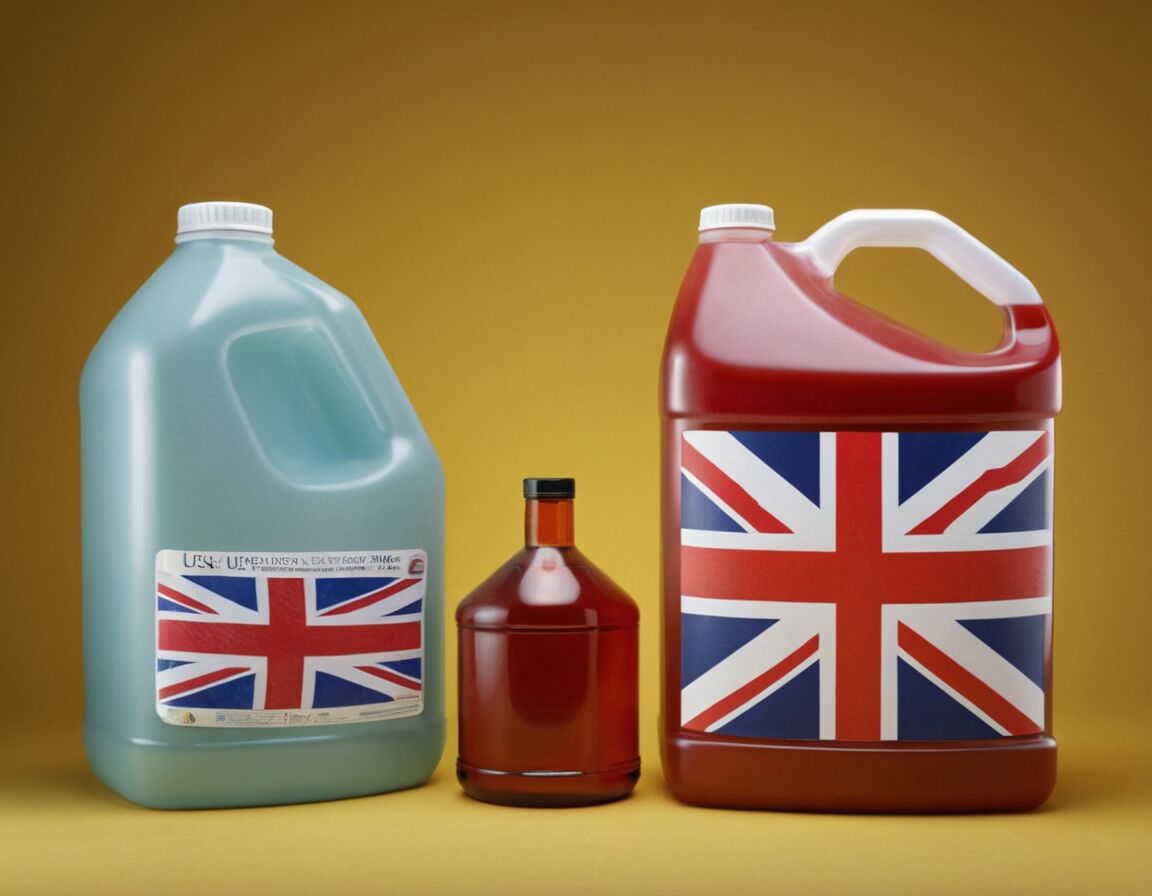
Różnice między galonem amerykańskim a brytyjskim wynikają przede wszystkim z historycznych standardów i regionalnego zastosowania. Galon amerykański jest definiowany jako około 3,78541 litra, co czyni go mniejszym od odpowiednika brytyjskiego. Natomiast galon imperialny, stosowany głównie w Wielkiej Brytanii i na niektórych jej terytoriach, mieści około 4,54609 litra. Ta różnica oznacza, że przy przeliczaniu ilości ważne jest zidentyfikowanie, który system pomiarowy ma zastosowanie, aby zapewnić dokładność.
Obie jednostki wywodzą się z różnych praktyk historycznych. Galon amerykański został przyjęty na podstawie wcześniejszych pomiarów stosowanych w handlu, natomiast galon imperialny wyewoluował ze starszych standardów związanych z systemami pomiaru wina i piwa w Wielkiej Brytanii. Z czasem te różnice utrzymały się i zostały sformalizowane w postaci definicji prawnych.
W codziennym użyciu ta rozbieżność wpływa na obliczenia takie jak zużycie paliwa, pakowanie produktów czy raportowanie objętości. Na przykład napełnienie baku samochodu 10 galonami daje około 37,85 litra, jeśli używasz galonów amerykańskich, ale około 45,46 litra w przypadku galonów imperialnych. Przyjmowanie błędnych założeń dotyczących tych wielkości może prowadzić do błędów, szczególnie w transakcjach międzynarodowych lub zastosowaniach naukowych. Dokładne przeliczenie wymaga zwrócenia uwagi na to, który standard galona ma zastosowanie w danym przypadku, zwłaszcza biorąc pod uwagę znaczną różnicę w wielkości.
Polecamy: The Life and Controversies Surrounding Chad Doerman: A Deep Dive into His Impact on Society
Praktyczne zastosowania przeliczeń galonów na litry
Przeliczenia galonów na litry są często wykorzystywane w różnych branżach, aby zapewnić dokładność i spójność. Na przykład w sektorze spożywczym i napojowym prawidłowe przeliczanie miar pomaga standaryzować przepisy i procesy produkcyjne w różnych regionach. Przy imporcie lub eksporcie produktów zrozumienie, czy pojemnik mieści galony amerykańskie czy imperialne, i przeliczenie tych wartości na litry zapewnia zgodność z lokalnymi przepisami oraz dokładne zarządzanie zapasami.
Ponadto w branży transportowej i paliwowej precyzyjne obliczenia są kluczowe dla rozliczeń, dystrybucji i standardów bezpieczeństwa. Jeśli stacja paliw w Stanach Zjednoczonych rejestruje sprzedaż paliwa w galonach, przeliczenie tych pomiarów na litry — przy użyciu odpowiedniego współczynnika przeliczeniowego — jest konieczne przy raportowaniu wielkości zużycia lub ustalaniu podatków. Podobnie w badaniach naukowych eksperymenty laboratoryjne często wymagają dokładnych pomiarów objętości; umiejętność przeliczania między galonami a litrami może zapobiec błędom i zwiększyć powtarzalność wyników.
Ogólnie rzecz biorąc, opanowanie przeliczeń galonów na litry wspiera klarowność operacyjną i ułatwia komunikację w zespołach wielonarodowych lub na rynkach międzynarodowych. Zmniejsza to niejednoznaczność podczas interpretacji danych, pomagając specjalistom szybko weryfikować ilości bez pomyłek. Niezależnie od tego, czy chodzi o logistykę, produkcję czy pracę naukową, wykorzystanie tej wiedzy ułatwia sprawny przebieg procesów i minimalizuje błędy w obliczeniach.
Najczęstsze błędy przy przeliczaniu jednostek miary
Jednym z typowych błędów przy przeliczaniu jednostek miary jest mylenie różnych rodzajów galonów, szczególnie między galonami amerykańskimi a galonami imperialnymi. Zastosowanie niewłaściwego współczynnika przeliczeniowego może prowadzić do znacznych nieścisłości w obliczeniach objętości. Na przykład zastosowanie wartości galona amerykańskiego (3,78541 litra) w sytuacji, gdy pomiar dotyczy galona imperialnego (4,54609 litra), skutkuje niedoszacowaniem rzeczywistej objętości o około 20%. Takie błędy są powszechne, gdy osoby zaniedbują weryfikację, który standard jest stosowany.
Innym częstym błędem jest brak uwzględnienia odpowiedniej precyzji dziesiętnej. Podczas wykonywania przeliczeń, zwłaszcza do celów naukowych lub technicznych, zbyt wczesne zaokrąglanie lub użycie przybliżonej wartości może zniekształcić ostateczny wynik. Zaleca się zachowanie jak największej liczby miejsc po przecinku w krokach pośrednich i zaokrąglanie dopiero na końcu, aby zachować dokładność. Taka praktyka minimalizuje rozbieżności wynikające z ograniczeń wyświetlaczy kalkulatorów lub tabel przeliczeniowych.
Ponadto niektórzy błędnie zakładają liniową zależność, nie sprawdzając, czy jednostki są właściwie dopasowane. Na przykład pomylenie uncji płynu z galonami lub odwrotnie może prowadzić do poważnych błędów w większych obliczeniach. Zawsze upewnij się, że pierwotna jednostka miary odpowiada docelowej jednostce przeliczenia, i sprawdź dwukrotnie wartości przed sfinalizowaniem obliczeń. Zwracanie uwagi na te szczegóły pomaga zapobiegać kosztownym pomyłkom i zwiększa ogólną wiarygodność pomiarów.
FAQ: Odpowiedzi na pytania
Jaka jest historia powstania galona amerykańskiego i imperialnego?
Czy istnieją inne rodzaje galonów stosowane w różnych krajach?
Czy litr może być używany do mierzenia suchych składników, czy tylko płynów?
Jak temperatura wpływa na objętość płynów podczas przeliczania galonów na litry?
Czy istnieją narzędzia cyfrowe lub aplikacje ułatwiające przeliczanie galonów na litry?
Źródło: