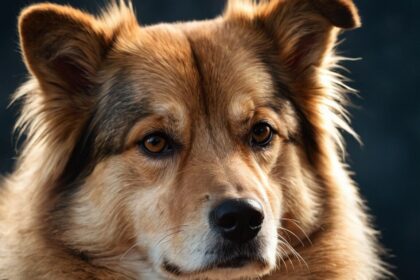
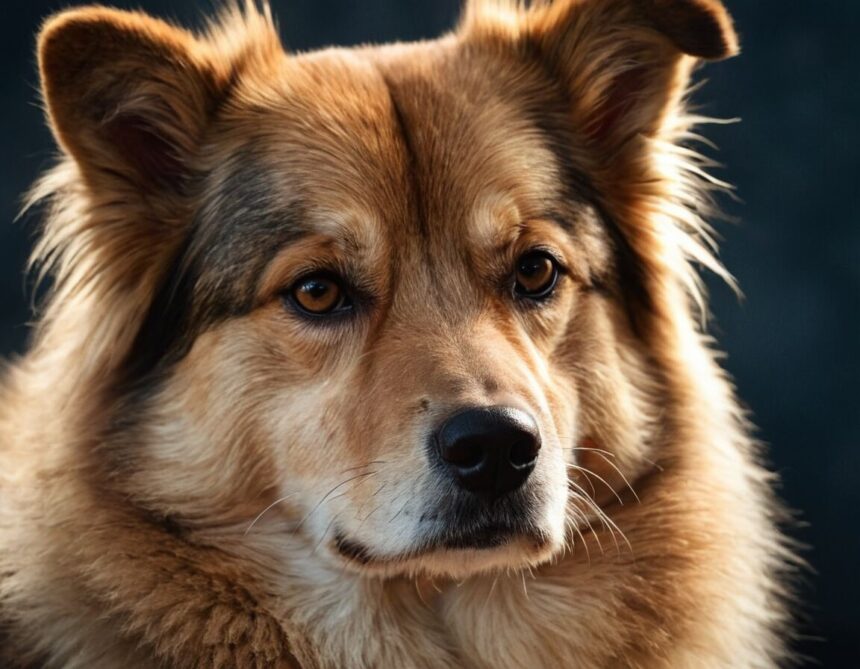
Drawing dogs can be a rewarding artistic pursuit that combines observation, skill, and creativity. Whether you’re a beginner or an experienced artist, understanding fundamental techniques helps bring your作品 to life with realism and personality. This guide offers practical tips e methods designed to enhance your confidence and elevate your dog illustrations.
From capturing accurate proportions to rendering diverse fur textures, mastering these approaches will make your drawings more engaging and authentic. Regular practice and exploration of various tools, both digital and traditional, encourage continuous improvement and personal expression in this specialized field of art.
Punti chiave
- Start with basic shapes to establish accurate dog proportions and structure easily.
- Observe real dogs or photos to capture breed-specific features and realistic details.
- Use varied stroke techniques to create realistic fur textures and depth in your drawings.
- Study different breeds to understand unique physical traits and improve drawing accuracy.
- Apply light and shadow to add dimension and realism to your dog illustrations.
Use basic shapes to sketch dog structures accurately
A partire da basic shapes is a fundamental step in creating accurate and convincing dog drawings. By breaking down the complex anatomy of a dog into simple geometric forms, artists can establish correct proportions and structure effortlessly. For example, sketching a circle for the head, an oval for the body, and cylinders for limbs helps to build a flexible framework that can be refined further.
This approach offers multiple benefits. First, it allows for quick adjustments; if the initial shapes are not proportionate, they can be easily modified before committing to detailed lines. Second, using basic forms encourages better understanding of spatial relationships—how different parts of the dog relate to each other in size and position. This foundation makes adding details, such as facial features or fur texture, much smoother and more natural-looking.
Practicing this method regularly will improve overall drawing skills and provide a solid basis to develop more complex compositions. It’s a versatile technique applicable across various styles and experience levels, fostering confidence in recreating realistic canine figures with accuracy and consistency.
Vedi anche: The Comeback of Low Rise Jeans: How to Style Them for Modern Fashion
Observe real dogs for realistic proportions and details
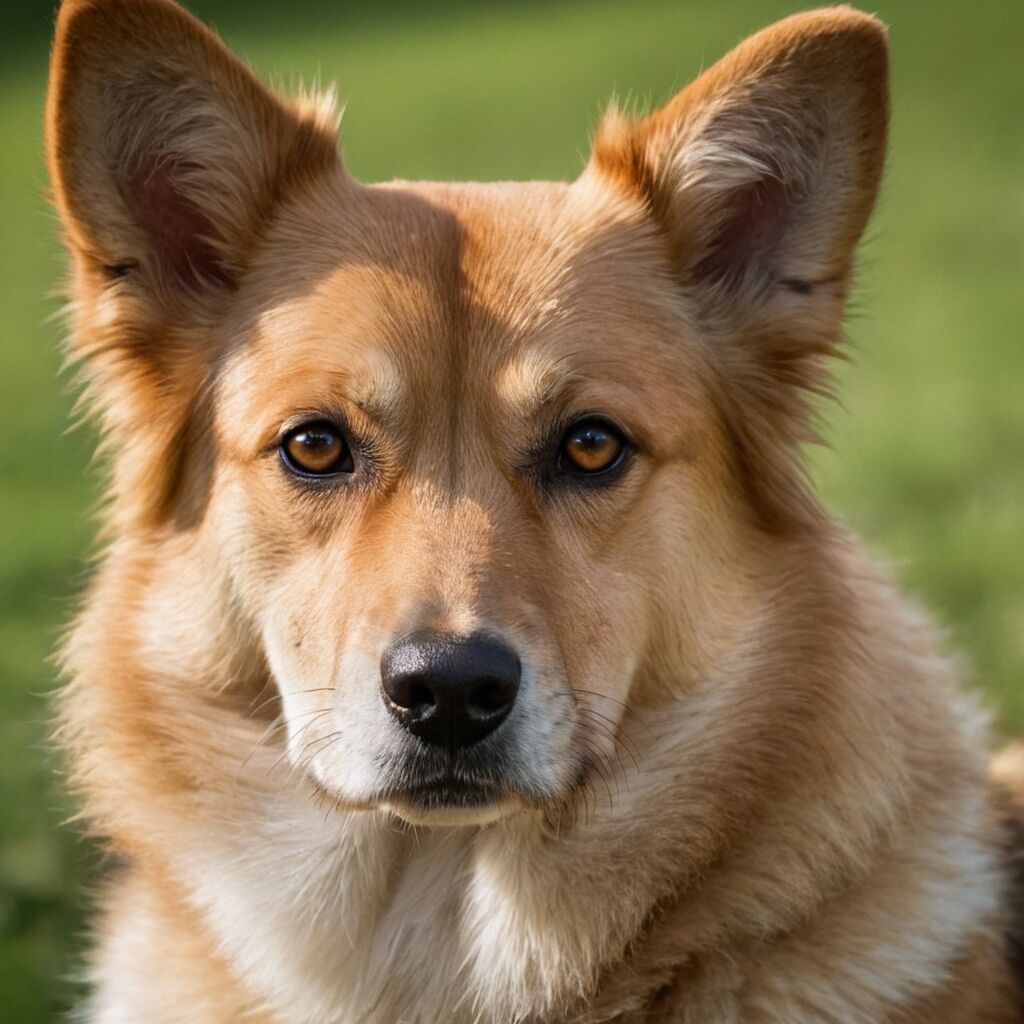
To achieve realistic proportions and detailed features in dog drawings, it is highly beneficial to observe actual dogs. Spending time watching different breeds allows artists to capture the unique shapes, gestures, and postures that characterize each type. Notice how the head’s size relates to the body, or how the limbs bend at specific angles during movement. This firsthand observation enhances your ability to translate those physical characteristics into accurate depictions on paper or digital mediums.
Taking photographs or sketching from live animals can serve as valuable references. Pay attention to details such as the way fur flows, the shape of the ears, and expressions that convey mood or personality. These nuances are often difficult to infer from mere imagination but become clearer when studying real animals closely. Also, observe how lighting impacts the appearance of a dog’s coat, which helps you better reproduce shadows and highlights that give depth to your drawings.
Consistent practice of real-world observation strengthens an artist’s intuition and ensures that even stylized representations retain a sense of authenticity and believability. Incorporating these elements enriches your artistic skill and produces more lifelike results for canine illustrations.
Practice fur textures with varied stroke techniques
Creating realistic fur textures involves utilizing a variety of stroke techniques to depict the different lengths, directions, and densities of hair. One effective method is to use short, quick strokes to represent areas with dense or fluffy fur, such as around the cheeks or neck. These strokes help convey volume and softness, making the fur appear more natural. For smoother, sleeker regions like the legs or face, longer and more controlled lines can be employed to create a sleek appearance.
Mixing techniques, such as combining cross-hatching with single directional strokes, allows artists to build depth and dimension in their drawings. Experimenting with varying the pressure applied during each stroke produces a range of tonal effects, giving some hairs a lighter touch and others a darker, more shaded look. This variation mimics how light interacts with real fur, adding realism to the illustration.
Additionally, paying attention to the fur’s flow and direction enhances believability. Observing how fur lies along the body—curving around limbs or following muscle contours—guides the placement of strokes. Regular practice with different tools, whether pens, pencils, or digital brushes, will develop an intuitive understanding of which techniques work best for particular textures and breed characteristics, ultimately enriching your ability to portray life-like dog coats effectively.
Every artist dips his brush in his own soul, and paints his own nature into his pictures. – Henry Ward Beecher
Study different breeds to understand unique features
Studying different dog breeds is a valuable practice for artists aiming to capture the distinctive features e unique characteristics that define each type. By familiarizing oneself with a variety of breeds, an artist can develop a deeper understanding of diverse head shapes, body structure, ear types, and tail positions. This knowledge enables more accurate depictions and helps prevent uniformity in drawings, ensuring each breed’s individuality shines through.
Observing photographs, videos, or real dogs from various breeds allows for detailed studies of how specific traits are expressed visually. For example, a Bulldog’s broad face and muscular build contrast sharply with the slender frame and narrow snout of a Greyhound. Recognizing these differences aids in achieving authenticity across different representations. Additionally, noting variations in fur texture, coat length, and coloring among breeds enhances your capacity to render animals convincingly.
Furthermore, understanding breed-specific features supports stylistic choices or exaggerations, especially in caricatures or stylized artwork. Developing this expertise requires consistent observation and comparison, but it ultimately leads to a more versatile and confident approach to dog drawing—empowering artists to accurately portray animals with a wide range of appearances and personalities.
Per saperne di più: The Unlikely Connection Between Neil Patrick Harris and Amy Winehouse: A Look at Their Impact on Pop Culture
| Tip/Technique | Descrizione |
|---|---|
| Use basic shapes to sketch dog structures accurately | Start with simple geometric forms to establish correct proportions and build a flexible framework for detailed features. |
| Observe real dogs for realistic proportions and details | Study live animals or photos to capture unique breed features, gestures, and fur details for authentic drawings. |
| Practice fur textures with varied stroke techniques | Utilize different strokes to depict hair length, density, and flow, creating natural and lifelike fur effects. |
| Study different breeds to understand unique features | Learn breed-specific traits to improve accuracy and variety in your dog illustrations, emphasizing distinctive characteristics. |
| Use light and shadow to add depth and dimension | Apply shading techniques to create a sense of volume and make your drawings appear more realistic and three-dimensional. |
Use light and shadow to add depth and dimension
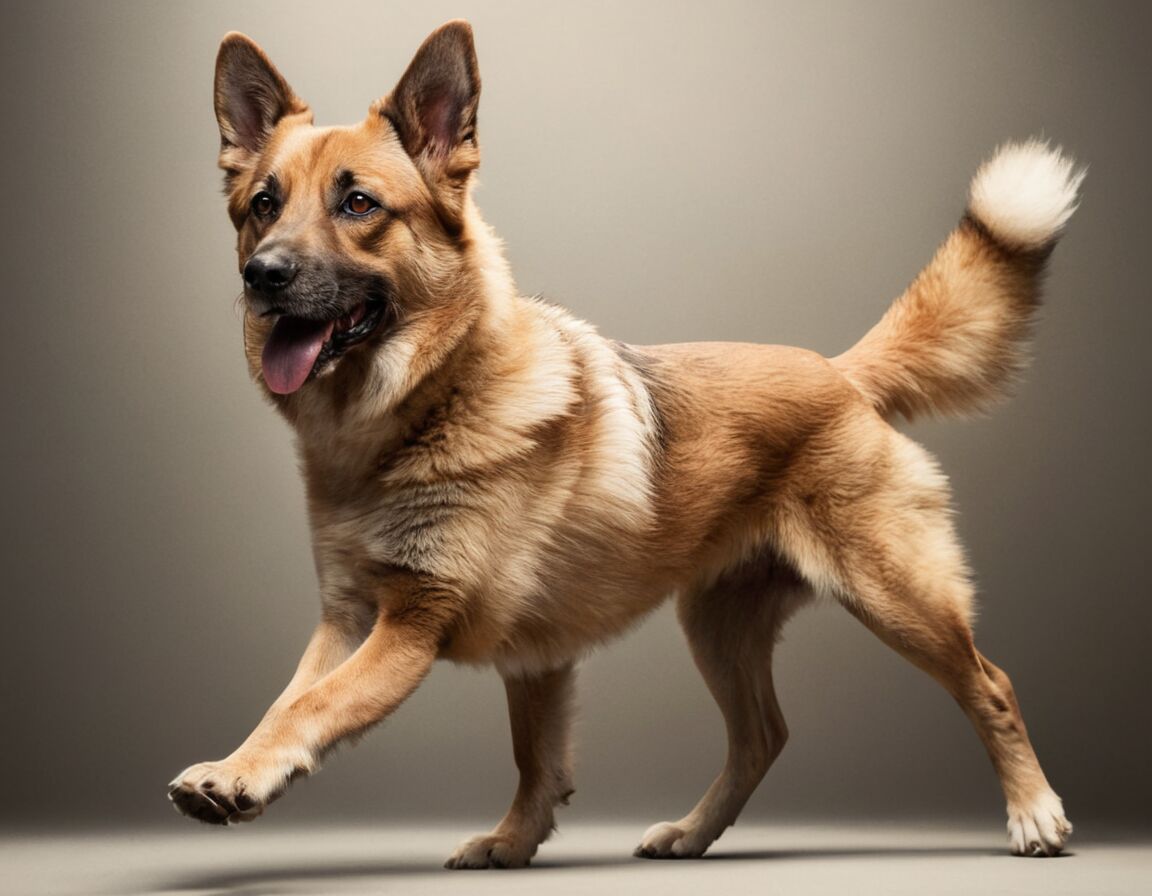
Applying light and shadow techniques is crucial for creating a sense of depth e dimension in dog drawings. By carefully observing how light interacts with the animal’s form, artists can highlight the areas where light naturally falls and determine shadows that give volume to the figure. This process involves understanding the direction of light sources and consistently applying shading to convey realism. Lighter areas should suggest the parts of the dog that are closest to the light, while darker sections recede into shadow, adding contrast and visual interest.
Using gradations of tone helps to simulate smooth transitions between light and dark zones, making the drawing appear more three-dimensional. Techniques such as hatching, cross-hatching, or blending can be employed to achieve these effects effectively. It is also helpful to observe real animals under different lighting conditions or to use reference photos. This practice enhances an artist’s ability to depict subtle variations in fur, muscle contour, and bone structure, ultimately resulting in a more lifelike depiction of the dog.
Mastering this aspect of shading allows for greater control when rendering details like facial features, folds in skin, or the flow of fur. Proper application of light and shadow not only emphasizes the form but also conveys mood and texture, bringing the overall composition to life. Regular experimentation and careful observation strengthen this skill, making each new piece better at capturing realistic depth and dimension.
Interessante anche questo: Maximize Your Productivity: How a 3 Minute Timer Can Transform Your Work Routine
Experiment with digital and traditional drawing tools
Sperimentare con digital and traditional drawing tools provides artists with opportunities to discover new techniques and expand their skill set. Traditional mediums such as pencil, charcoal, and paint offer tactile experiences that many creatives find inspiring, allowing for spontaneous adjustments and a direct connection to the material. These tools are especially beneficial for developing a deep understanding of line quality, shading, and texture, which can then influence digital work.
On the other hand, digital tools present a different range of advantages, including easy erasing, layer manipulation, and a broad selection of brushes and effects. Digital platforms enable artists to experiment without the fear of wasting materials or making irreversible mistakes. This flexibility invites playful exploration of styles and techniques, which may be difficult to achieve using solely traditional methods. Combining both approaches not only broadens artistic versatility but also encourages innovation by blending the tactile richness of physical media with the limitless possibilities offered by digital software.
Regularly switching between these types of tools helps artists develop a more comprehensive understanding of their craft. It allows for refining skills in various areas, from detailed fur textures to realistic shadows, while fostering creativity through the integration of diverse methods. Whether working on paper with physical supplies or using a tablet and stylus, embracing this experimentation opens paths toward discovering personal preferences and unique techniques that enhance overall artistic expression.
Keep practicing regularly to improve skill and confidence
Consistent practice is the key to refining your skills and building confidence when drawing dogs. The more frequently you pick up your tools, the better you become at capturing proportions, textures, and details. Over time, this dedication helps eliminate hesitation, making each drawing session more productive and enjoyable. It’s important to set aside dedicated time regularly, whether daily or weekly, to focus on different aspects of dog anatomy or various styles of rendering. This habit ensures steady progress and prevents skill stagnation.
Furthermore, regular practice allows you to experiment with new techniques and mediums without the fear of failure. As you become more comfortable with your materials, your ability to depict fur, light effects, and realistic expressions improves naturally. Each attempt becomes a learning experience, helping you identify areas where improvement is needed and enabling you to develop your personal artistic voice. Remember, consistent effort not only enhances technical proficiency but also fosters greater patience and perseverance—traits that contribute significantly to artistic growth over time.
FAQ: Risposte alle vostre domande
How can I effectively practice drawing dogs regularly?
Are there specific digital tools best suited for dog drawing?
What are common mistakes to avoid when drawing dogs?
How can I improve my ability to capture a dog’s personality in my drawings?
Is it better to start with colored or black-and-white sketches when drawing dogs?
Riferimenti: