

Drawing butterflies can be a fulfilling artistic practice that combines creativity with attention to detail. For beginners, understanding the basic shapes and structures is a crucial first step in capturing the delicate beauty of these insects. Starting with simple outlines and gradually adding more complex patterns will help build confidence and skill over time.
Practicing consistently allows artists to improve their Techniek and develop a keen eye for symmetry and proportion. Observing real butterflies or reference photos closely provides valuable insights into wing patterns, colors, and textures, making each drawing more realistic and lively.
As progress is made, experimenting with various tools such as colored pencils or fine liners adds depth and personal style to artwork. Incorporating background elements can also transform a simple butterfly sketch into a dynamic composition that engages viewers and showcases your growing expertise.
Belangrijkste conclusies
- Start with simple shapes and structures for balanced butterfly drawings.
- Use light pencil sketches initially to allow easy adjustments and corrections.
- Practice symmetry by mirroring wings and analyzing real butterfly patterns.
- Experiment with various wing patterns and vibrant colors for uniqueness and visual appeal.
- Add fine details with liners or colored pencils to enhance realism and texture.
Start with basic butterfly shapes and structures
When beginning to draw butterflies, it is helpful to focus on basic shapes and structures as the foundation of your artwork. Start by sketching an oval or teardrop shape for the body, which will serve as the central part of the butterfly. From there, add two large, symmetrical wings on each side of the body. These wings can be simple curves or more angular, depending on your personal style and the specific butterfly you want to depict.
Using light pencil strokes at this stage allows for easy adjustments, ensuring that proportions and symmetry are well-balanced before adding details. Keep in mind that most butterfly wings are mirror images of each other, so paying attention to symmetry from the outset helps create a more realistic and pleasing appearance. Take some time to observe real butterflies or reference photographs to understand how the different parts connect and which shapes form their delicate yet structured wings.
Once you are comfortable with these basic forms, you can gradually refine your drawing by adding more complex shapes, patterns, and colors. Practicing this foundational step regularly builds confidence and improves overall precision, making your butterfly drawings more accurate and visually appealing over time.
Lees meer: The Ultimate Guide to Choosing the Perfect Pedicure for Your Feet
Use light pencil sketches for initial outlines
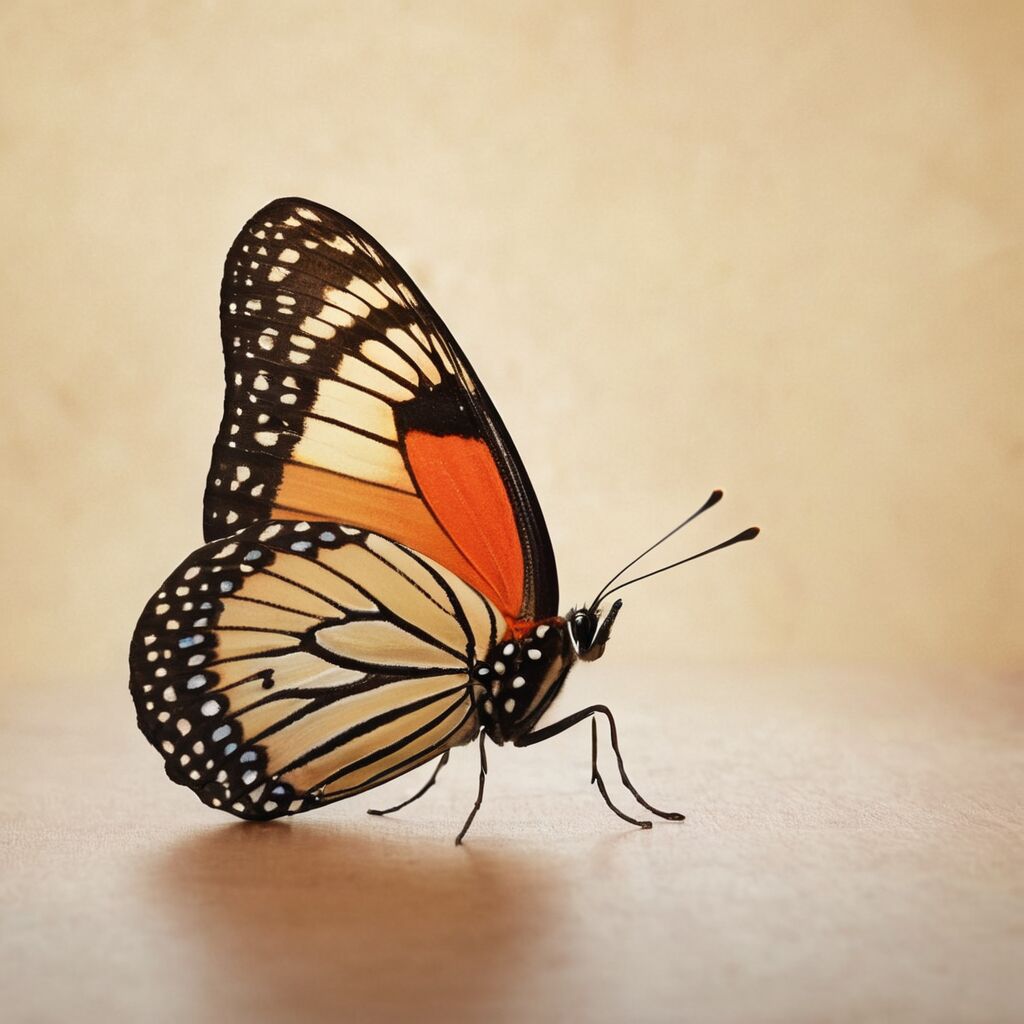
When starting a butterfly drawing, it is crucial to use light pencil sketches for the initial outlines. This approach allows for easy adjustments and corrections as you refine your artwork. Applying gentle strokes ensures that mistakes remain simple to erase without damaging the paper or leaving unwanted marks. Light sketching also provides a flexible foundation, making it easier to experiment with different shapes and configurations before committing to darker lines.
During this phase, focusing on accurate placement of the main body and wing structures helps establish proper proportions. Since butterflies are characterized by their symmetry, beginning with soft, tentative lines enables you to mirror details on both sides effectively. It’s advisable to sketch lightly so that you can clearly see the underlying structure and make modifications seamlessly. Once satisfied with the overall shape, you can gradually deepen the lines and add intricate details later.
Remember that these initial sketches serve as guides for adding finer features, colors, and patterns in subsequent steps. Using light strokes keeps the process adaptable, which is particularly beneficial when aiming for precision and harmony in your butterfly drawing. Patience during this stage results in a more balanced and aesthetically pleasing final piece.
Practice symmetrical wing drawing for balance
Achieving symmetry in butterfly wings is a fundamental aspect of creating realistic and visually appealing drawings. To develop this skill, it is helpful to use a light pencil or a mirror as a tool for comparison during the drawing process. Starting with one side of the wing and carefully replicating the shapes on the other side allows you to focus on precise mirroring. Maintaining consistent proportions and ensuring that both wings are balanced enhances the natural look of the butterfly.
Practicing symmetrical wing drawing involves analyzing the subtle variations present in real butterflies, which often feature intricate patterns. By breaking down these patterns into smaller sections and copying them onto the opposite wing, you train your eye for detail and improve overall accuracy. Taking your time during each attempt helps build muscle memory and develops a keen sense for symmetry that can be applied to future works.
It is also beneficial to step back periodically and review your progress, making adjustments where necessary. Repetition of this exercise eventually fosters greater confidence in your ability to create evenly balanced wings, resulting in illustrations that seem harmonious and lifelike. The mastery of symmetry turns a simple sketch into an artwork that captures the delicate elegance characteristic of butterflies.
Creativiteit is intelligentie die plezier maakt. - Albert Einstein
Observe real butterflies or photos closely
To create realistic and captivating butterfly drawings, it is crucial to observe real butterflies or high-quality photos closely. This practice helps artists understand the various details that make each butterfly unique, from wing patterns to color variations. By examining genuine specimens or photographs, one can notice the fine lines, spots, and markings that contribute to a butterfly’s distinctive appearance.
Paying attention to how wings are shaped and how they connect to the body provides valuable insights into anatomy and movement, which can be difficult to capture through imagination alone. Studying different species allows for a broader understanding of diverse wing structures and decorative features, inspiring more accurate and detailed illustrations. Moreover, observing lighting and shading in photographs enhances knowledge about how colors transition on delicate wings, adding depth and realism to artwork.
Ultimately, this careful observation fosters an eye for detail and precision, enabling artists to incorporate natural elements into their drawings effectively. It also encourages patience and attentiveness during the creative process, ensuring that each sketch echoes the beauty found in actual butterflies. Regularly referring to authentic visuals thus becomes an essential step in honing drawing skills and achieving more lifelike representations.
Voor meer informatie: Mastering the Art of Dog Drawing: Tips and Techniques for Every Artist
| Tip of techniek | Omschrijving |
|---|---|
| Start with basic shapes and structures | Begin by sketching simple forms like ovals and symmetrical wings to form the foundation of your butterfly drawing. |
| Use light pencil sketches for initial outlines | Light strokes allow for easy adjustments and corrections without damaging the paper, ensuring accurate proportions. |
| Practice symmetrical wing drawing | This develops your ability to mirror details and create balanced, realistic wings on both sides. |
| Observe real butterflies or photos closely | Studying actual specimens enhances understanding of wing patterns, colors, and textures for more realistic drawings. |
| Experiment with wing patterns and colors | Trying different designs and hues adds variety and personal style to your artwork. |
| Refine details with fine liners or colored pencils | Adding intricate details makes the butterfly drawing more vivid and realistic. |
| Practice regularly | Consistent practice improves precision, confidence, and overall skill in butterfly drawing. |
| Add background elements | Incorporating backgrounds creates more dynamic compositions and highlights the butterfly within a scene. |
Experiment with different wing patterns and colors
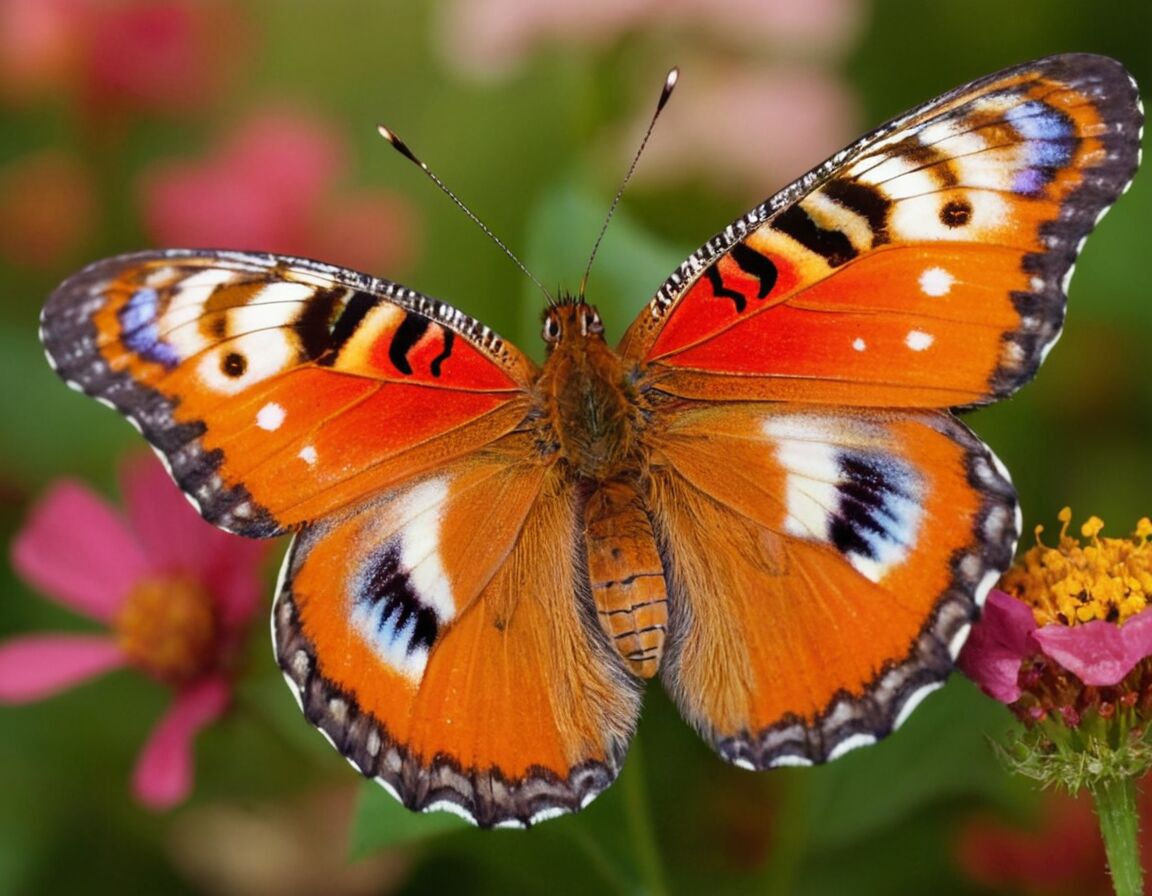
Trying out different wing patterns en color combinations is a valuable step in developing individual artistic style and creating more engaging butterfly drawings. It encourages artists to move beyond simple representations and explore unique designs that reflect their personal creativity. By experimenting with various patterns, such as spots, stripes, or intricate linework, one can easily add diversity and richness to each piece.
Using a broad palette of colors helps bring life to the wings and emphasizes the visual interest of the artwork. Bright hues like yellows, oranges, and blues can produce lively and cheerful images, while softer shades contribute to a delicate appearance. Mixing colors and layering them allows for gradual shading, adding depth and realism to the wings. Remember that attention to detail enhances the overall impact, so incorporating small touches like veins or edge highlights makes a noticeable difference.
This process also presents opportunities for trial and error. Artists may find certain color schemes or patterns more appealing and relevant to specific species or styles. Trying different combinations repeatedly fosters skill development and encourages innovation. The key is to approach each new attempt with an open mind, embracing mistakes as learning experiences. Over time, this willingness to experiment transforms simple sketches into vibrant, captivating illustrations that stand out.
Extra leesmateriaal: Piracy Warning: Essential Safety Tips for Luxury Cruise Passengers
Refine details with fine liners or colored pencils
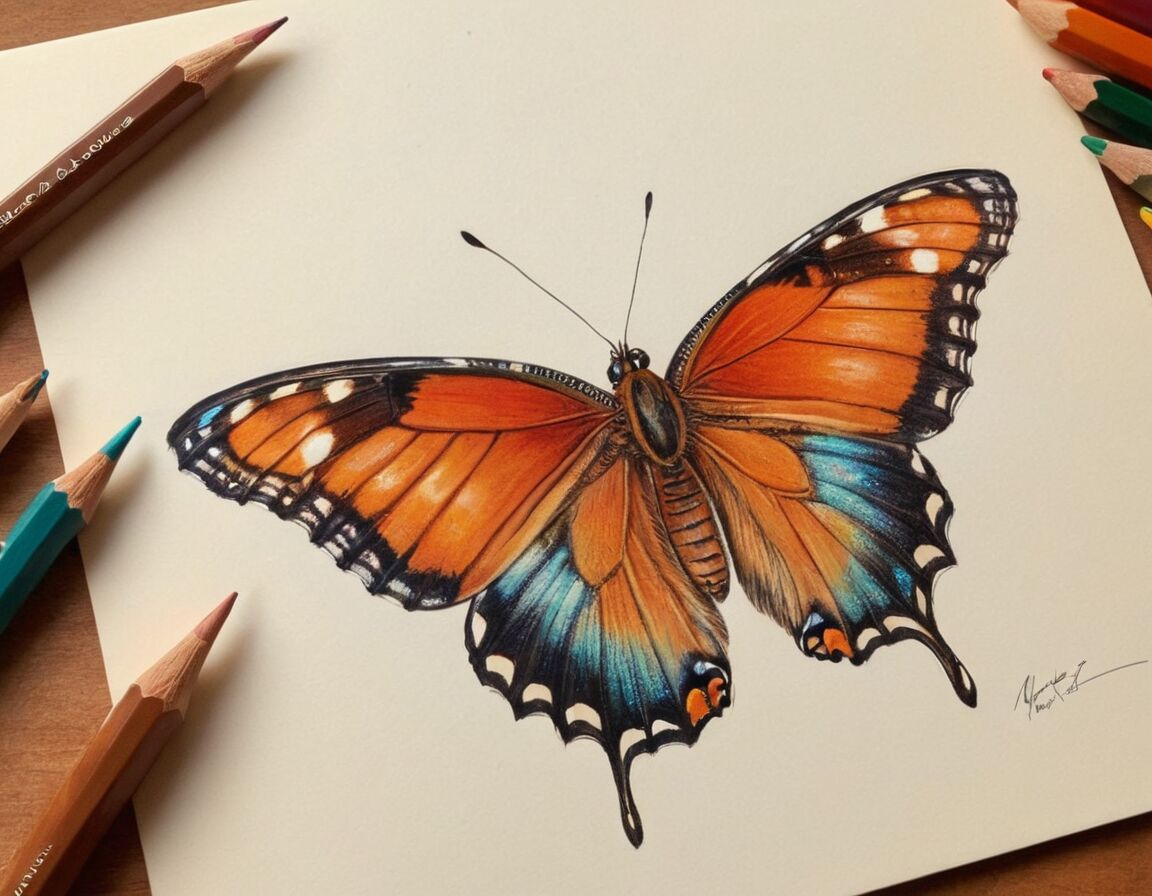
Once the initial sketch and coloring are in place, it is time to focus on adding fine details that elevate the overall appearance of the butterfly drawing. Using fine liners of colored pencils allows for precise control when emphasizing intricate patterns, veins, and delicate edges on the wings. These tools help to create a sense of depth and realism by highlighting specific features and bringing texture to the artwork.
When working with fine liners, it is important to use light, controlled strokes to avoid overpowering the drawing. Small touches such as tiny spots, lines, or subtle shading can make a substantial difference in capturing the complex beauty of butterfly wing patterns. Colored pencils are ideal for layering colors and softly blending shades, which adds richness and vibrancy to each area without losing detail. Gradually building up layers enables more natural transitions and a three-dimensional effect.
Take your time during this phase, focusing on accuracy and consistency. The careful addition of highlights and shadows through these tools not only enhances the visual appeal but also helps convey the fragile, airy quality inherent in butterflies. Each small refinement contributes to a more finished, polished piece that truly reflects meticulous craftsmanship and personal style.
Practice regularly to improve precision and confidence
Consistent practice is key to developing higher precision en greater confidence when drawing butterflies. The more frequently one sketches, the more familiar they become with the subtleties of wing shapes, patterns, and symmetry. This repeated effort helps internalize techniques that initially may seem difficult, such as mirroring wings or capturing intricate details.
As skills improve through regular exercises, artists often notice a reduction in hesitation during the creative process. Knowing that their hand can accurately reproduce complex patterns provides a sense of assurance, encouraging experimentation and personal style. Additionally, frequent practice offers opportunities for correction and reflection, which are crucial for growth. Mistakes made during these sessions serve as valuable learning moments, guiding adjustments for future drawings.
Creating a routine dedicated to drawing butterflies allows for steady progress over time. Even short daily sessions can produce noticeable improvements in both the quality of work and overall confidence. By making practice a consistent part of the artistic journey, beginners gradually move towards more refined, detailed, and expressive illustrations. Ultimately, mastery comes from perseverance, patience, and a commitment to continuous improvement.
Add background elements for more dynamic compositions
Adding background elements to a butterfly drawing can significantly enhance the overall composition, making it more dynamisch and engaging. Incorporating natural surroundings such as flowers, leaves, or even abstract patterns creates a scene that tells a story or conveys a specific mood. These additional details help to place the butterfly within a context, allowing viewers to appreciate the harmony between the insect and its environment.
When including background features, it is crucial to maintain a sense of balance. Overloading the artwork with too many elements may distract from the main subject, so opt for subtle accents or lightly sketched details initially. Styles such as soft shading or delicate linework can complement the primary focus without overpowering it. This approach ensures that the butterfly remains the centerpiece while still gaining a lively setting that adds depth and interest.
Experimenting with different textures and colors in background components also provides an opportunity to showcase your personal style. Choose hues that either contrast with or harmonize with the butterfly’s wing colors to create visual impact. Small touches like shadows or highlights on background objects add realism and size perspective, enriching the entire piece. Ultimately, incorporating thoughtfully composed background elements results in a more appealing and well-rounded artwork that invites viewers into a captivating scene.
FAQ: Uw vragen beantwoord
What are the most suitable paper types for butterfly drawing?
Which color tools are best for adding vibrancy to butterfly wings?
How can I create realistic wing patterns for my butterfly drawing?
Is it necessary to color both sides of the butterfly wings?
What are some common mistakes beginners make when drawing butterflies?
Bronnen: