
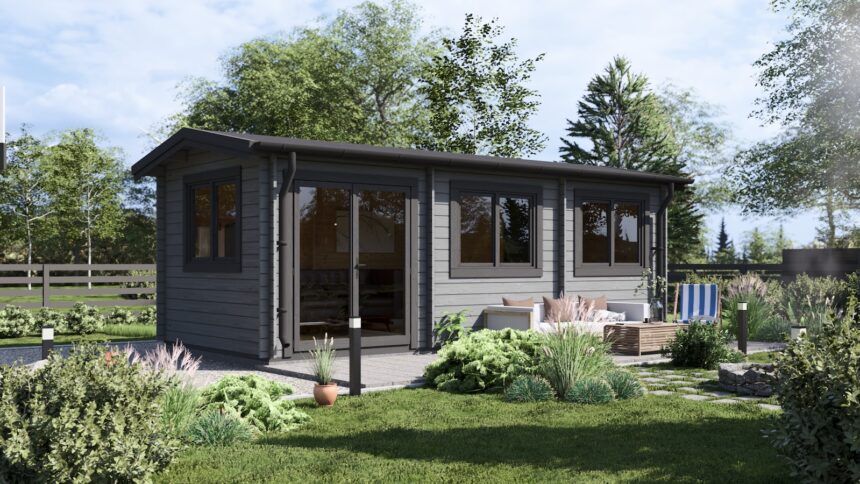
Choosing a wooden garden house in 2026 is more than ever a decision in favor of sustainability and durability. More and more German homeowners and garden enthusiasts are looking for eco-friendly solutions that are both aesthetically pleasing and future-proof. This article highlights the key sustainability trends, legal frameworks, and practical aspects you should consider when purchasing or building a wooden garden house in 2026.
A sustainable wooden garden house integrates perfectly into garden design while meeting high ecological standards—from material sourcing to disposal. Growing awareness of climate protection and resource conservation is increasing the importance of sustainable solutions in everyday life.
Sustainability Trends: FSC, PEFC, and Local Wood Species
Wood selection is crucial for the sustainability of a wooden garden house. In 2026, the key trends are certifications (FSC, PEFC) and locally sourced wood species.
FSC (Forest Stewardship Council) and PEFC (Programme for the Endorsement of Forest Certification Schemes) are the most important certification systems for sustainable forestry. These labels guarantee that the wood comes from forests managed according to strict ecological, social, and economic standards.
Wood is gaining popularity due to its sustainability and versatility. Compared to imported tropical timber, locally sourced wood has a significantly better environmental footprint, as shorter transport distances result in lower CO₂ emissions. In addition, illegal logging and the destruction of vital ecosystems remain major challenges in the international timber trade. The entire lifecycle of wood is crucial for its climate impact.
Recycled and upcycled wood is also becoming increasingly important. No new trees are felled and waste is reduced—resulting in a positive environmental balance. This material is particularly suitable for garden houses with a rustic or individual character.
Durability and Maintenance: Wood Protection Without Chemicals
A sustainable wooden garden house is not only defined by the origin of its materials but also by its long lifespan and the possibility of protecting the wood without chemical biocides. The durability of a garden house depends heavily on the type of wood, construction, and maintenance.
Structural wood protection measures are essential for longevity. These include sufficient roof overhangs to protect the wood from direct weather exposure, proper ventilation to prevent moisture buildup, and a foundation that keeps the wood from direct contact with the ground. With proper care, wooden garden houses can last 15 to over 40 years.
In 2026, natural alternatives are often used for wood preservatives and stains. Products made from linseed oil, beeswax, or plant oils penetrate deeply into the wood and protect it from water and UV radiation without harmful chemicals. It is advisable to choose biocide-free products.
- Structural wood protection: Ensure roof overhangs, avoid ground contact, and provide good rear ventilation.
- Natural oils and stains: Use plant-based products that allow the wood to breathe and are environmentally friendly.
- Regular maintenance: Annual cleaning and refreshing the coating every 2–5 years, depending on the product and wood type, are recommended.
- Thermowood as an alternative:Thermal treatment makes wood more durable and resistant to pests without chemical additives. Thermo ash can achieve a lifespan of up to 30 years.
Thermowood, such as thermo ash, requires little maintenance. Thermal treatment alters the cell structure of the wood, making it more resistant to rot, fungal attack, and moisture. This significantly reduces maintenance effort and extends service life, making thermowood an attractive option for sustainable garden houses.
The 3-Pillar Sustainability Model for Wooden Garden Houses
To objectively assess the sustainability of a wooden garden house and make an informed purchasing decision, the 3-pillar sustainability model has proven effective. This practical concept systematically evaluates material sourcing, construction and durability, and lifecycle costs. Each pillar is assigned a weighting to enable an overall assessment.
The first pillar, material sourcing and certification, considers certifications and the type of wood used. The technical design and expected service life are addressed in the second pillar. Solid construction and effective wood protection are essential. The third pillar, “lifecycle costs,” examines overall cost-effectiveness over the entire lifespan, including purchase, maintenance, energy consumption, and potential disposal.
This model allows buyers to compare offers from different manufacturers not only by purchase price but by a comprehensive sustainability profile. An integrated scoring system supports objective evaluation and helps identify the most suitable garden house that combines ecological responsibility with economic efficiency.
Pillar 1: Material Sourcing & Certification (Weighting 40%)
- FSC/PEFC-certified wood: 10 points
- Local wood species (e.g., Douglas fir from Germany): +5 points
- Recycled/upcycled wood: +10 points
Pillar 2: Construction & Durability (Weighting 35%)
- Structural wood protection (roof overhang, foundation): 10 points
- High durability class (e.g., thermowood, larch): +5 points
- Low-maintenance design: +5 points
Pillar 3: Lifecycle Costs (Weighting 25%)
- Low maintenance intervals (< 5 years): 10 points
- High energy efficiency (if heated): +5 points
- Good recyclability of materials: +5 points
By applying this model, buyers can determine an overall score for each garden house offer and make an informed decision that meets both their ecological expectations and their budget. It promotes a holistic perspective that goes beyond the initial purchase price.
Conclusion: Building for the Future with Wood
Planning or purchasing a wooden garden house in 2026 means actively choosing a sustainable and environmentally responsible future. Demand for eco-friendly garden solutions continues to rise in Germany. With the right knowledge—regarding legal requirements as well as material selection and maintenance—your garden house can become a long-lasting, climate-friendly, and valuable part of your garden.
By opting for certified wood, local species, and chemical-free wood protection, you are investing not only in your property but also in our planet. The 3-pillar sustainability model provides a clear framework for making a sustainable purchasing decision.