
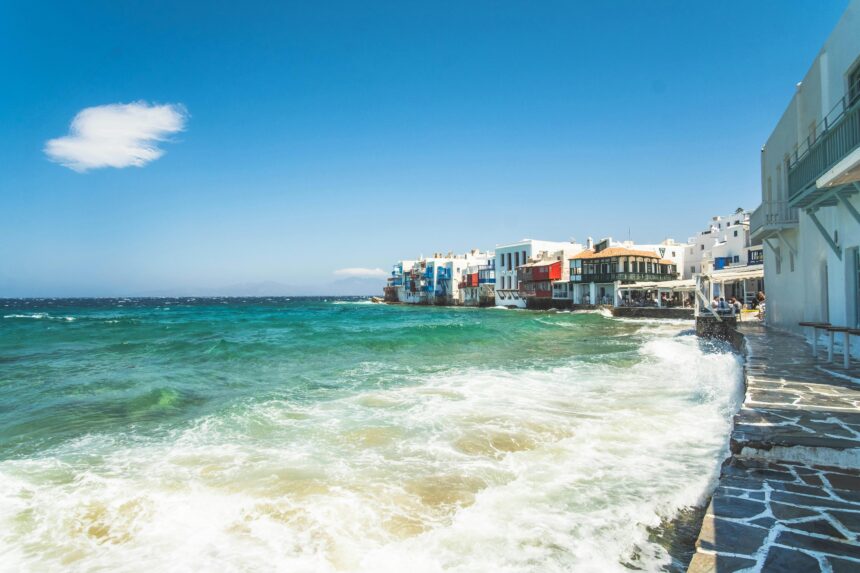
Some journeys don’t begin at the destination. They begin the moment the ship slowly casts off, the harbour grows smaller, and everyday life is left behind somewhere between the quay, the gulls and the horizon. In recent years, cruises have found a new audience: people who don’t just want to see as much as possible, but who are also looking for time for themselves along the way. Time for good food, quiet mornings on deck, conversations at sunset, and cities you discover not with a suitcase in hand, but at ease, for a single day.
Anyone searching today for the right cruise offers therefore comes across more than just routes and dates. What it really comes down to is a question: which kind of trip fits your life right now? A short break in the Mediterranean? A family holiday where the children have a programme and the adults can still relax? A journey north, where fjords, clear air and bright summer nights set the tone? Or a winter holiday that promises sun, sea and new impressions instead of grey days?
The Ship as a Floating Hotel
The particular appeal of a cruise lies in its rhythm. You wake up in the morning without having to change hotels. Breakfast with a view of the water. Then a shore excursion, a stroll through old harbour districts, a trip out into nature, or simply a few hours in a city you might never have deliberately booked for an entire week. In the evening you return, shower, get changed, and find yourself right back in the middle of life on board.
It is precisely this mix that makes cruises appealing to so many travellers. They combine the security of a plan with the feeling of being on the move. You don’t have to organise every transfer yourself, don’t have to constantly pack and unpack, don’t have to decide anew each day where to sleep. At the same time, every day is different. One day it’s a market visit in the south, another a coastal road, another a museum, and another just a cappuccino overlooking a harbour where the light falls especially softly.
Journeys for Different Stages of Life
Cruises today no longer follow a single pattern. Families look for childcare, short distances and cabin arrangements that genuinely work for everyday life. Couples tend to seek out special evenings, good food and travel dates outside the peak season. Others want to set off as comfortably as possible — for instance from a port in Germany — or choose a combination of flight and cruise when the region lies further afield.
The season, too, changes the experience. In spring and autumn many coastal towns feel more relaxed, the light is softer, the streets emptier. In summer, life on board is shaped more by sunshine, the pool deck and long evenings in the open air. Around Christmas and New Year, a sea voyage takes on a character all of its own: festive, yet less predictable than the classic holiday at home.
The Shore Excursion as a Small Shift in Perspective
The stopovers are especially rewarding. They are short enough to keep you curious, but long enough to get a feel for a place. And a good excursion doesn’t have to be spectacular. Often it’s the simple moments that stay with you: the smell of fresh bread in an old town, a view from a fortress, a conversation with a local guide, a swim stop in a quieter bay.
Those who travel with awareness can read such days like little chapters — not as a duty to be ticked off, but as an invitation. A harbour tells of trade, cuisine, architecture and life by the water. That is precisely where the journalistic charm of a cruise lies: it shows not only destinations, but transitions. Between sea and city. Between relaxation and discovery. Between holiday and an everyday life that, for a few days, feels pleasantly far away.
What Really Matters When Choosing
Instead of focusing only on the supposedly best time to travel, it’s worth taking a closer look at your own travel style. Those seeking calm travel differently from a family with children. Those who want to see a lot pay attention to the route. Those who mainly want to switch off look more closely at life on board, the cabin and the days at sea. Good cruise planning therefore doesn’t begin with the question of the cheapest offer, but with the question of how the trip should feel.
In the end, a cruise is not merely a matter of transport from harbour to harbour. It is a way of travelling in its own right: slow enough to notice the horizon, comfortable enough to let go, and varied enough to come home with new stories.